
Forestry mulching, site prep, ponds, grading, demolition, and fencing — 56+ years of combined experience behind every job. Free estimates.
Paris sits on a divide. Everything north of town drains to the Red River; everything south runs to the North Sulphur. The ground rolls gently between about 400 and 635 feet, and the soil changes as you cross the county — blackland clay through the southern half, loamier ground up north where the country was originally wooded. That northern timber is still there in the draws and along the creeks, with water oak, willow oak, mockernut hickory, and red maple in the bottoms and shortleaf pine and oak on the uplands running toward Pat Mayse Lake.
That north–south soil split is the thing most people miss about working land in Lamar County. A pond built on the blackland south of Paris holds water on its own clay. The same pond dug in the loamier ground up toward Powderly and Chicota is a different conversation entirely. Clearing is different too — brush and cedar in the south, real timber in the north. And with Pat Mayse Lake pulling recreational and hunting property demand for going on sixty years now, a large share of Lamar County acreage is held for deer, waterfowl, and lease income rather than production, which changes what the landowner actually wants done to it.
We work all of it. Jim and Colton Lester bring 56+ years of combined construction experience, and Paris is a market we run regularly — straight east on US-82 out of Fannin County, about forty miles. From single-lot clearing inside Loop 286 to multi-acre mulching, pond work, and site prep on tracts out toward Blossom, Roxton, Deport, and Powderly.
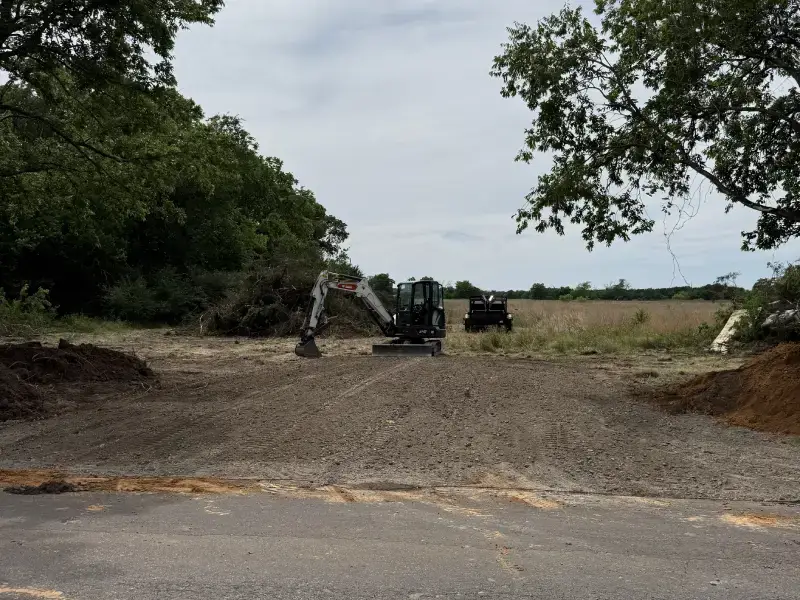
Clearing in Lamar County depends heavily on where the tract sits. South of Paris on the blackland it is mostly brush, cedar, and pasture reclamation. North toward Pat Mayse and the Red River bottoms it is genuine timber — water oak, willow oak, hickory — and that is a slower, heavier job. We handle both, plus fence-line clearing along the farm-to-market roads and site clearing for construction. On hunting property we often clear selectively rather than wholesale, because the cover is worth something to the landowner.
Services include:
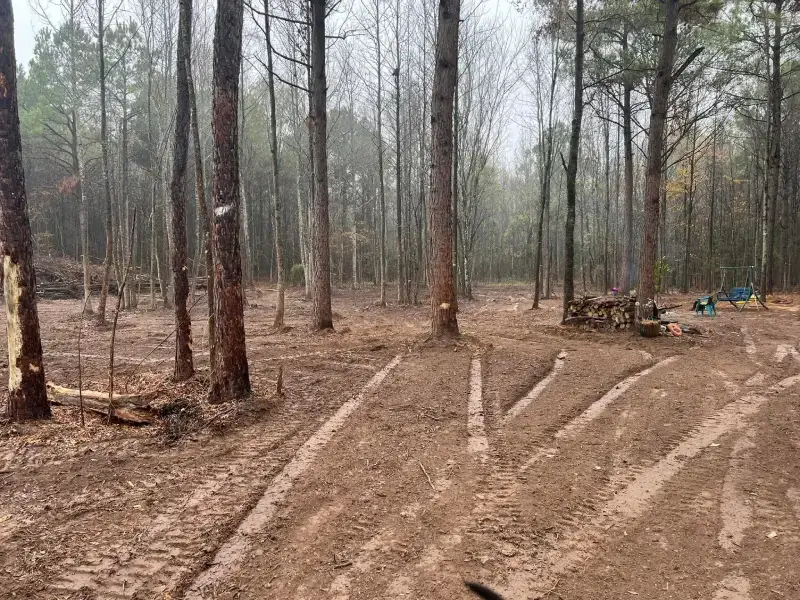
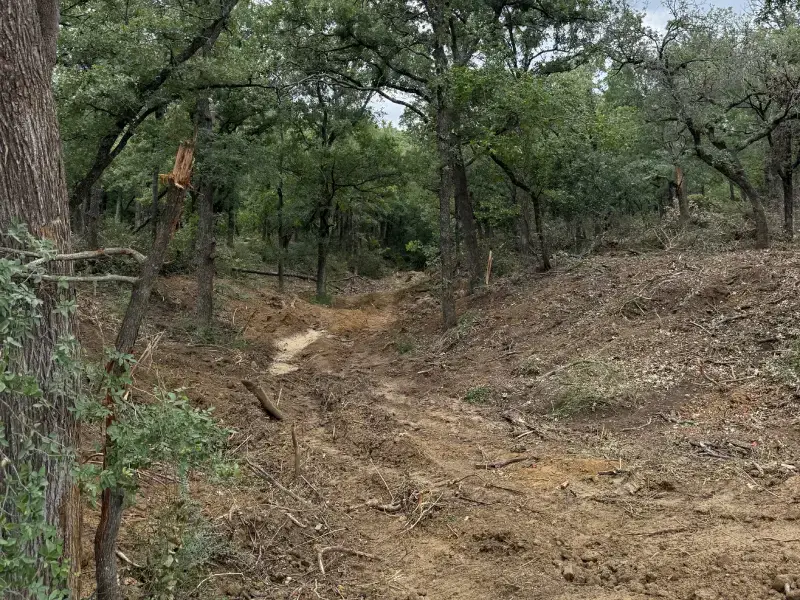
Forestry mulching is a strong fit for Lamar County property, particularly on tracts held for hunting. It opens the understory — yaupon, privet, and brush choking out the bottomland hardwoods — without taking down the canopy the deer and turkey are using. No burn piles sitting on the place, no debris hauled off down FM 906, and the mulch layer stays put and holds soil on the slopes running down toward Sanders Creek and Pine Creek.
Services include:
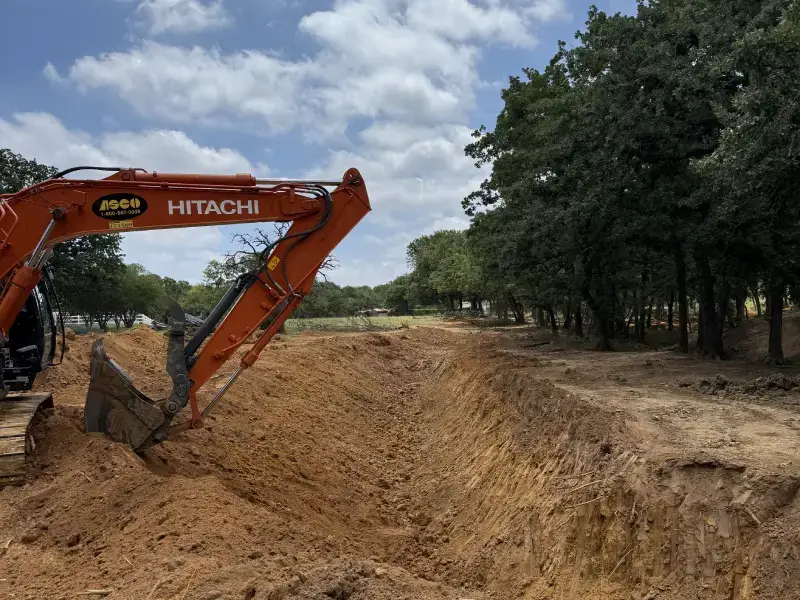
A lot of Lamar County property sits at the end of a long drive off a farm-to-market road, and that drive is often the whole problem. We build gravel drives with real base rather than rock over raw ground, set culverts at the ditch crossings and at the creek crossings that are common on the north side of the county, and build house pads and shop pads sized for the soil on site. Getting the culvert right matters more here than most places, because the drainage running off this divide moves fast after a hard rain.
Services include:
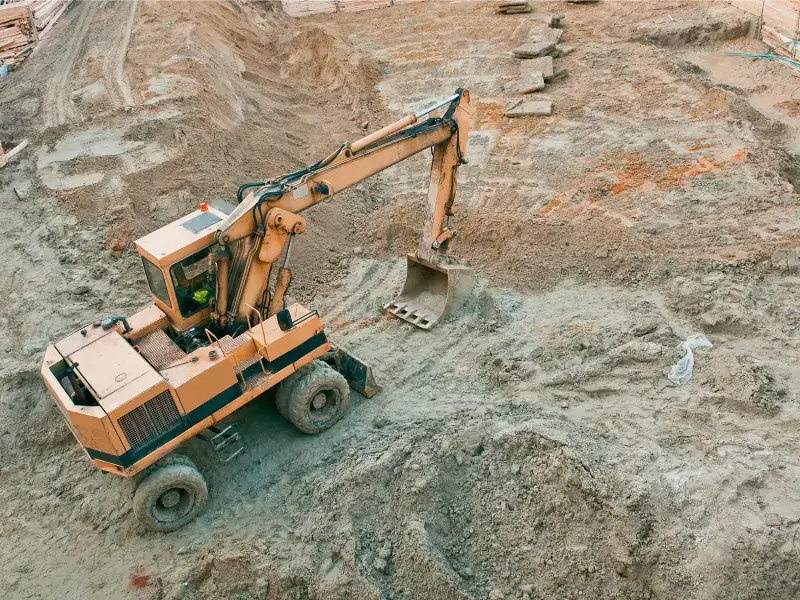
A lot of Lamar County property sits at the end of a long drive off a farm-to-market road, and that drive is often the whole problem. We build gravel drives with real base rather than rock over raw ground, set culverts at the ditch crossings and at the creek crossings that are common on the north side of the county, and build house pads and shop pads sized for the soil on site. Getting the culvert right matters more here than most places, because the drainage running off this divide moves fast after a hard rain.
Services include:
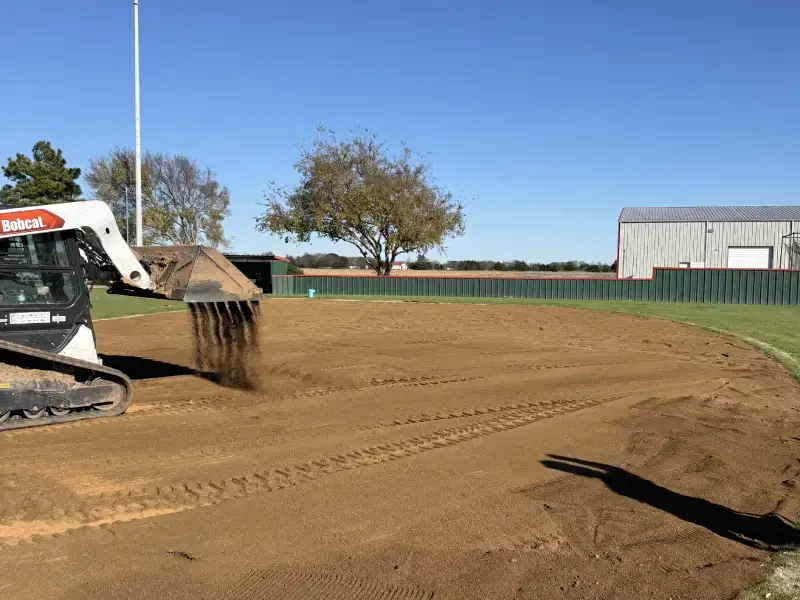
Gently rolling ground gives you some natural fall to work with, but it also gives water somewhere to run and something to cut. We grade lots and pads around Paris so water leaves the structure, cut drainage where the fall is not there, and regrade drives that have washed. On the blackland south of town the problem is usually water standing; on the loamier north side it is usually water moving and taking soil with it. Those get graded differently.
Services include:
Paris and the surrounding county have a lot of older building stock, and acreage that changes hands often comes with a house, barn, or shed that has outlived its use. We take those down, break out old concrete and foundations, and clear the debris. On rural tracts out toward Blossom, Roxton, and Deport this is frequently the first thing a new owner needs before anything else can happen.
Services include:
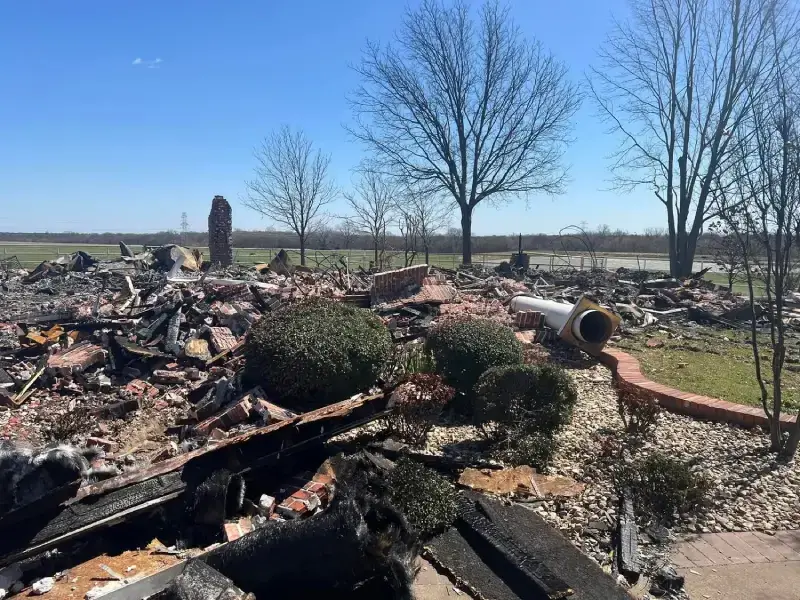
Plenty of the acreage changing hands around Bonham comes with an old farmstead on it — a house nobody has lived in since the eighties, a leaning barn, a collapsed shed, or an abandoned mobile home. We take those down, break out old concrete, and haul off the debris so the tract is clean and ready to build or run cattle on. On inherited property near Ivanhoe and Dodd City this is often the first call a family makes.
Services include:
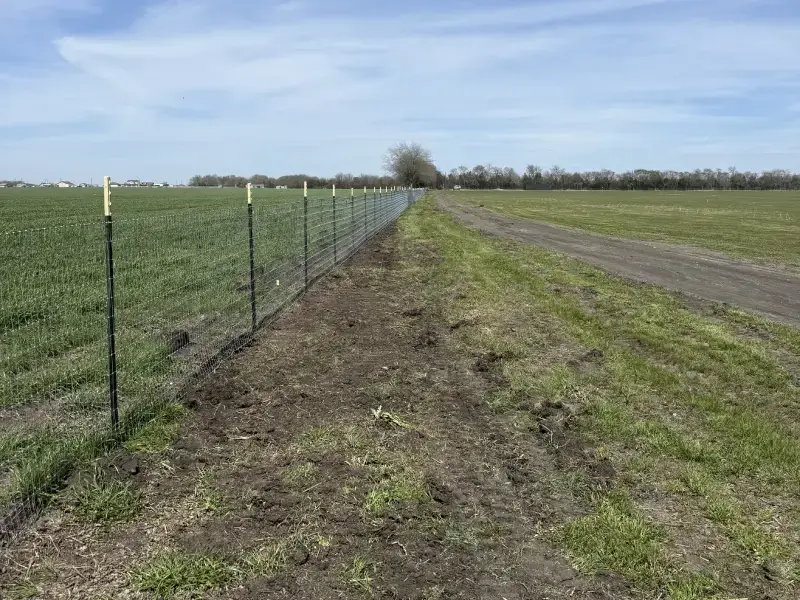
Lamar County is cattle and hunting country, and both need fence. We build barbed wire and hog wire for working ground, pipe entrances, and gates, and we set fence for hunting tracts and leases. Because we clear as well as fence, an overgrown fence line along a Lamar County road can be mulched clean and re-wired on the same job rather than the landowner lining up two separate outfits.
Services include:
Lamar County has a real hunting economy, and a lot of acreage here is held under a 1-d-1 agricultural or wildlife management valuation that requires the land to actually be managed. We do the land work behind those plans — selective brush sculpting that opens the understory while keeping cover, food plot preparation, shooting lane and trail cutting, habitat improvement, and pond and water feature work. On tracts near the Red River bottoms, waterfowl habitat work is its own category. We do not write plans or file with the appraisal district; we execute what a plan calls for.
Services include:
Local geography and terrain
Paris sits right on the divide between the Red River and Sulphur River watersheds, and that line runs through everything we do here. Water north of town heads to the Red; water south heads to the North Sulphur. The country rolls gently between roughly 400 and 635 feet, which is enough fall to move water but not enough to move it away on its own. The soil changes as you cross that divide — blackland clay through the southern half of Lamar County, loamier ground up north where the country was originally timbered. Along Sanders Creek and Pine Creek and out toward the Red River bottoms, the cover is bottomland hardwood: water oak, willow oak, mockernut hickory, red maple.
Local roads and access
Loop 286 rings the city and is how we move around Paris itself. Beyond it, US-82 runs east and west, US-271 runs north toward Mid City and the Pat Mayse Lake turn about eleven miles out, and SH-19 and SH-24 handle the rest. FM 906 crosses Pat Mayse Dam. Most of our actual work here is off the farm-to-market network and the Lamar County roads beyond it — Powderly, Chicota, Blossom, Reno, Roxton, Pattonville, Deport, Detroit, Sumner, and Petty are all normal territory for us.
Local project experience
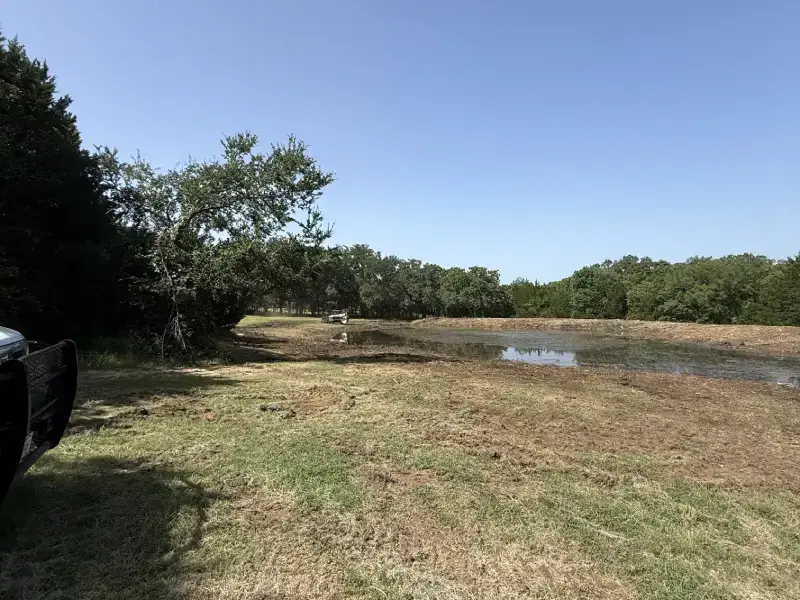
The project mix in Lamar County looks different than it does in the faster-growing counties west of here. There is less new subdivision work and far more management of land people already own. We dredge farm ponds in the Sanders Creek and Pine Creek watersheds that have silted in over forty or fifty years. We reclaim pasture that went back to brush. We take down old farmsteads on tracts that have passed to the next generation. And on the substantial share of county acreage held for hunting — much of it near the Corps of Engineers public hunting ground around Pat Mayse Lake and the Red River bottoms where waterfowl concentrate — we do selective clearing, shooting lanes, food plots, and habitat work rather than wholesale clearing.
Local environmental and regulatory awareness
A few Lamar County specifics matter. Property bordering Pat Mayse Lake runs up against Corps of Engineers boundaries and managed public hunting land, and it is worth confirming exactly where your line sits before work starts. The North Sulphur River and Red River regions of the county are known for limestone and gravel, which occasionally shows up as rock you were not expecting on a pond or trench job. And because so much land here is held for hunting, timing matters — a lot of owners want clearing and habitat work done well outside of deer season, which means booking earlier than they think they need to.
Jim Lester has been in the construction industry over 40 years and Colton has been in it since he was sixteen — 56+ years between them. That experience is why we can tell you what the ground is going to do before we put a machine on it, instead of finding out halfway through the job.
Blackland clay south of Paris and loamier ground north toward Powderly behave completely differently when you dig a pond or build a pad. We plan around which side of that divide your property sits on — which is why our ponds hold and our drives do not wash.
This is a family operation — three full time, with extra hands brought in as jobs require. When you call, you get Colton, who is on the equipment and on the job site. Nothing gets lost between a salesman, a scheduler, and a crew that has never spoken to you.
A large share of Lamar County acreage is held for deer and waterfowl. We understand that clearing and habitat work has a window, and we would rather schedule your job for the right time of year than show up when it costs you a season.
Every estimate is free, and we give it after walking your property rather than over the phone from a satellite image. First responders, military, and veterans get a discount on every job. We take cash, check, Zelle, and Venmo.
Posted on GoogleTrustindex verifies that the original source of the review is Google. They do good work at a reasonable price. Family owned and Local to Texoma. Will use them again.
3L Land Services provides land clearing services in Paris, TX and across the surrounding Lamar County area. If your property is down a county road well outside the city limits, that is normal work for us — most of what we do is.
Areas we serve around Paris:
It depends on where in Lamar County the tract sits and what is growing on it. Brush and cedar on blackland pasture south of Paris is the fast end. Bottomland hardwood in the northern part of the county toward the Red River — water oak, willow oak, hickory — is much slower and prices accordingly. Mulching in place costs less than grubbing stumps and hauling debris off. We walk the property before we quote, and the estimate is free.
Per-acre cost tracks stem density and stem size more than anything. Light yaupon and privet understory on a hunting tract runs fast. A heavy stand of mature hardwood does not. Whether you want selective mulching — leaving specific trees standing — also affects the rate, because that is slower, more deliberate work. On larger Lamar County tracts we price by the acre; on smaller or selective jobs we usually price by the day.
Yes. Powderly, Chicota, Blossom, Reno, Roxton, Pattonville, Deport, Detroit, Sumner, and Petty are all regular service area, along with the unincorporated county in between and neighboring towns like Clarksville, Bogata, and Cooper. Most of what we do in this county is well outside Loop 286, down farm-to-market and county roads. A long drive in is normal for us.